
SoftWave Therapy Brooklyn, NY
- SoftWave TRT System
- Non-Invasive, No Downtime
- Diagnosis Before Treatment
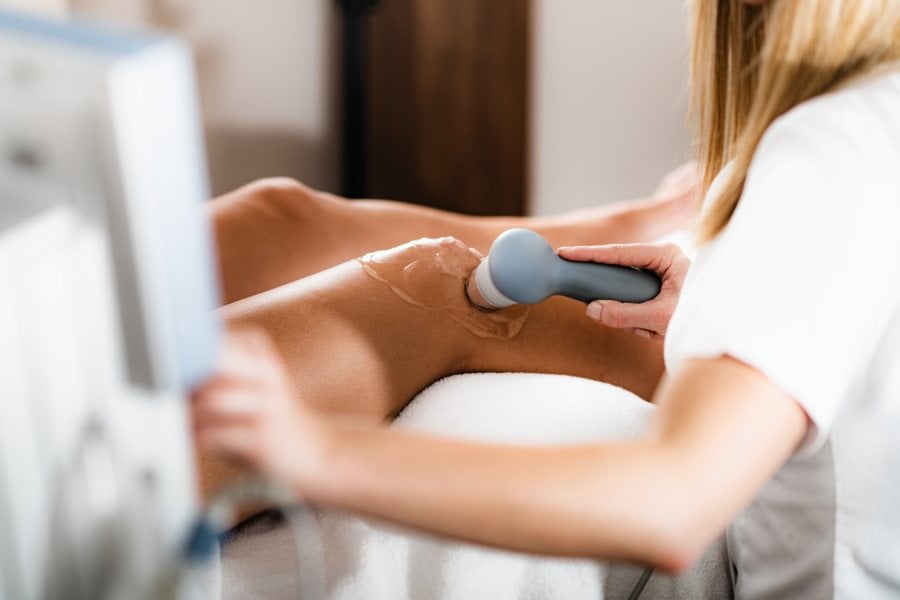
Most patients in our Nuro Chiropractic clinic in Brooklyn, NY have never heard of SoftWave. So, I explain how it works and what it does. I’m Dr. Brian Donovan, and I offer this non-invasive treatment, which uses electrohydraulic acoustic waves to stimulate the body’s natural healing response for faster tissue healing.
Instead of masking the pain through medications, the goal of our treatment in this clinic is to trigger natural healing responses, especially in areas that are affected by chronic irritation.
What the Acoustic Waves Actually Do
The equipment provides short bursts of acoustic waves into the affected area of the body, and they’re going to stimulate the cells to encourage the body’s natural tissue repair mechanisms.
Studies suggest that SoftWave can improve localized blood flow, helping regulate pain without downtime. It reduces inflammation in the affected area, and it helps with long-term support for recovery.
How Do I Use SoftWave in our Brooklyn Clinic?
We use the technology of SoftWave TRT, where each session starts with a working diagnosis based on the findings of the thorough examination that we will do. The process involves the following:
- 1 We will apply a coupling gel to the skin for easier transfer of the acoustic waves from the applicator into the targeted tissue.
- 2 Everything starts first at a comfortable energy level and systematically move the equipment across the area instead of just keeping it focused on a single area.
- 3 We will monitor you, and you can give us your feedback throughout the session. Problematic tissues may feel more tender when treated, and they offer insights about your current condition.
- 4 The energy will be adjusted based on your tolerance while we follow strict protocols about the pulse count and the frequency of the waves.
Some sessions can take around five to ten minutes, and afterward, we will reassess your situation. We will determine if there are improvements in the way you walk or if your shoulder movements are still painful, so we’ll know if the treatment is working or not.
Tender Spots Provide Clues, Not a Diagnosis
In this kind of technology, the treatment is interactive. Some people may not feel an ache in an area but suddenly say, “whoa, right there.” In Dr. Donovan’s words, “I slow down and compare this particular spot with the surrounding tissues, and I make adjustments accordingly.”
“Tenderness alone isn’t a complete diagnosis by itself. I won’t recommend a series of treatments just because an area feels sore when I apply the device applicator over it.”
Dr. Brian Donovan, D.C.In some cases, a patient comes in the clinic complaining about pain in one area, but the treatment reveals that the root cause is located in another part of the body. This may correlate with the examination findings, and this is why SoftWave therapy complements clinical examination instead of replacing it altogether.
Conditions I Use SoftWave For
The best candidates who should ideally try SoftWave therapy are those who have chronic musculoskeletal problems, especially if they didn’t respond well to a more conservative treatment. Some of the conditions that may need this alternative treatment are the following:
- Plantar fasciitis
- Achilles and patellar tendinopathies
- Tennis and golfer’s elbow
- Certain shoulder conditions
- Knee osteoarthritis
- Chronic tendon and soft-tissue problems
For someone who has been suffering from Achilles pain for more than six months and who has tried different shoes, SoftWave therapy can help them with progressive strengthening. These are the ones who have already tried stretching, but their Achilles tendinopathy still doesn’t improve. I will first assess their ankle mobility and other factors and modify their activities for the best results.
When SoftWave Is the Wrong Tool
This is a different situation for someone who says they’re experiencing terrible pain shooting down their leg. If the examination shows weakness and there’s lumbar nerve-root involvement, treating the painful area does not often address the root cause of the problem.
When there’s a fracture in the bone alone with a tumor, the patient should consider serious neurological testing with medical evaluation. Our clinicians are also going to screen for contraindications based on your medical history to get a full picture of your condition.
“Just because I own a piece of equipment does not mean every patient needs it. Knowing when not to use a treatment is just as important as knowing when to use it.”
Dr. Brian Donovan, D.C.What to Expect During and After?
- SoftWave therapy doesn’t require any injections, and generally, there’s no downtime. The device will send pulses through your body, while the intensity varies depending on the area being treated.
- Sometimes, it may feel uncomfortable, especially in the more sensitive areas, but the intensity can be adjusted depending on your tolerance level. Also, more discomfort doesn’t automatically mean better results.
- Many patients may notice improvements when it comes to pain, while others may temporarily feel some soreness. For those who have chronic conditions, it can take more sessions to notice improvements.
SoftWave is intended to stimulate blood flow that can speed up healing, but the recovery itself can take time. We’re not expecting a problem that has been there for years to get resolved in a ten-minute session, so we set expectations on day one.
SoftWave Therapy FAQs
Does SoftWave therapy hurt?
No. However, it can feel uncomfortable at times, but many find it tolerable. In some cases, you’ll barely feel it in one area, while you may notice it sharply if the specialist moves the applicator in a tender spot.
How many SoftWave treatments will I need?
There’s not a single number that’s applicable to everybody, and this depends on what we are treating in the first place. We’re going to ask how long you’ve had the condition, and we will also check how you’re responding.
How quickly will I feel better?
Some might notice a change in mobility after the first session, while others may notice a little at first. What I watch is the next several days on how you’re functioning, and I will make some adjustments over the course of the plan for the best results.
Is SoftWave the same as shockwave therapy?
Yes, they belong to the same family, but they’re not the same. Shockwave therapy focuses more on a specific targeted area, while SoftWave TRT uses electrohydraulic technology to reach a wider area.
Is SoftWave used on its own?
Rarely. Depending on the condition, we may combine it with strengthening, chiropractic care, decompression, or laser therapy. Stimulating the tissue without addressing why it was overloaded tends to be temporary, but we’re more focused on long-term results.
Diagnosis First, Technology Second
We focus on you first, starting with a proper diagnosis before deciding whether SoftWave is appropriate for your condition. Our new patient offer includes a consultation, examination, X-rays if needed, and treatment over two visits.
Nuro Chiropractic, 9408 4th Ave, Brooklyn, NY 11209. Serving Bay Ridge, Staten Island, Bensonhurst, Park Slope, Prospect Park, Borough Park, Manhattan, Dyker Heights, Williamsburg, and the greater Brooklyn area.