

Dry Needling Brooklyn, NY
- Targets Tight Muscles
- Improves Mobility
- Personalized Treatment
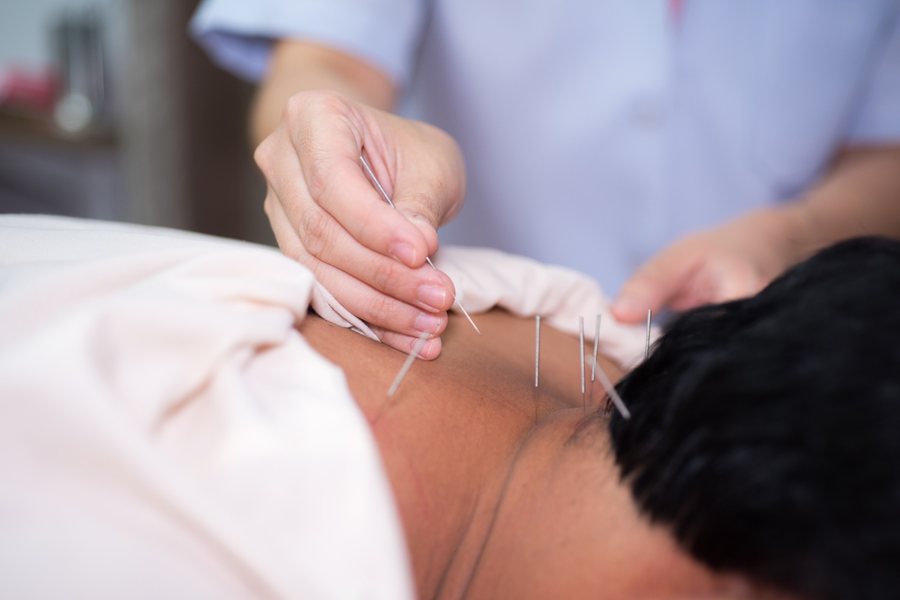
Dr. Brian Donovan uses dry needling as a precise technique to release tight muscle bands and restore normal movement patterns. It is helpful when trigger points and muscle tension are the reason you are stuck.
It often works faster than manual pressure. For stubborn tightness or referred pain, dry needling may be the solution.
What Is Dry Needling?
Dry needling uses thin, solid filament needles, the same kind used in acupuncture. These needles target specific trigger points. The term dry means there is no medication involved. The needle creates a mechanical stimulus that releases the muscle, improves blood flow, and reduces pain signals.
The needles may be the same, but the intent and approach differ from acupuncture. Acupuncture is rooted in traditional Chinese medicine and meridian points. Dry needling is based on Western anatomical knowledge, so we address your dysfunction by targeting the exact muscle fibers and connective tissue. You will often feel a brief twitch response when a needle hits the right spot. That is the muscle releasing.
Trigger points can refer pain to other areas. This is why you might feel pain in your shoulder because you have a knot in your neck, or why tight hip muscles cause knee pain. Dry needling addresses the source.
How Dr. Donovan Performs Dry Needling at Our Brooklyn Office
Dr. Donovan approaches dry needling the same way he approaches everything. He diagnoses first, then treatment comes next. He does not just needle wherever it hurts. He first evaluates which muscles are overactive, which are inhibited, and how your movement patterns contribute to the problem. Only then is dry needling considered.
He holds a Master of Science in Acupuncture from the University of Bridgeport and is currently working toward his acupuncture license in New York State. Even though the application here is biomechanical rather than meridian-based, that training improves his needle technique and understanding of tissue response.
- 1 He examines the involved muscles to locate your exact trigger points.
- 2 Once identified, he inserts a sterile, single-use needle into the tissue.
- 3 Depth and angle depend on the muscle being treated. Some points are superficial. Others require deeper insertion.
- 4 He may leave the needle in place briefly or gently manipulate it for a stronger release, depending on what your tissue needs.
Dry needling is typically not used here as a standalone treatment. It is often combined with chiropractic adjustments or rehabilitation. If your pain involves both muscle tension and joint dysfunction, it is important that we address both.
What Does a Dry Needling Session Feel Like?
On your first visit, Dr. Donovan will explain the technique. He will show you the needle, which is much thinner than you probably expect, and answer any questions. He will locate the affected areas through hands-on palpation and sometimes through movement testing.
Most people feel a tiny prick or nothing at all during insertion. What gets your attention is the twitch response when the needle reaches the trigger point. It feels like a quick, involuntary muscle cramp lasting a second or two, then the muscle relaxes. Some find it uncomfortable. Others find it oddly satisfying.
Sessions usually last between ten and twenty minutes, depending on how many areas need treatment. You will not be lying on the table full of needles for half an hour. Dr. Donovan works methodically through each point and often removes the needle shortly after the release.
AfterwardYour treated muscles might feel sore, similar to the feeling after a tough workout or a deep massage. The soreness usually peaks within 24 hours and fades over the next day or two. Drink water and stay gently active to help with recovery.
Who Is Dry Needling For, and Who Should Avoid It?
Dry needling works well for people dealing with chronic muscle tightness, active trigger points, movement restrictions, sports injuries, repetitive strain, postural dysfunction, or persistent tension in areas like the neck, shoulders, low back, glutes, or calves.
Dr. Donovan will not use dry needling if you have a very strong fear of needles, an active infection or skin condition, certain bleeding disorders, or a metal allergy. In pregnancy, he avoids areas near the abdomen and low back.
If you are anxious about needles but want to proceed, talk to Dr. Donovan. He has experience with nervous patients and can begin by treating just one or two points to gauge your response.
Conditions Dry Needling Helps
Dry needling is commonly part of the treatment plan for:
- Back pain
- Neck pain
- Shoulder pain
- Headaches and migraines
- Sciatica
- Hip pain
- Knee pain
- Plantar fasciitis and calf tightness
- TMJ pain when the jaw muscles are chronically tight
- Sports and overuse injuries
Diagnosis always comes first. The technique shines when your pain has a clear muscular component. Dr. Donovan will examine you to determine whether dry needling suits your specific condition, and he will tell you if another approach is better suited.
What to Expect Afterward, and How Often You Need It
Your muscles may feel fatigued or a little achy after treatment. That is normal. You may apply ice if the soreness bothers you, and try to avoid heavy lifting or intense exercise. Most patients notice improved range of motion within 24 to 48 hours. Some feel it immediately.
How often you need dry needling depends on your condition and your body’s response. One to three sessions spaced a few days apart might resolve acute issues. Chronic tension or long-standing trigger points may need a series of treatments, usually once or twice a week initially, then tapering as you improve.
What Patients Tell UsPatients often report a great release in a muscle they have been carrying for months. A common comment: I did not realize how tight that muscle actually was until it let go. Many say the soreness afterward is worth the improvement in their pain. Results do vary. Some people respond dramatically, others see moderate improvement, and a few do not find it helpful for their specific issue. Dr. Donovan is honest about that and will pivot to something else if it is not working for you.
Dry Needling FAQs
Is dry needling the same as acupuncture?
No, it is not. They both use thin needles, however acupuncture is based on traditional Chinese medicine and the concept of meridian points. Dry needling uses Western anatomical knowledge and targets specific muscles and trigger points. Its goal is to improve movement patterns and release muscle tension.
Does dry needling hurt?
Most people feel a small prick during insertion. What comes next is a brief cramping or twitch sensation when the needle hits the trigger point. It lasts a second or two. Afterward, the muscle may feel sore for 24 to 48 hours.
How does dry needling differ from a regular massage?
Massage applies pressure to relax muscles externally, while dry needling reaches trigger points internally. For releasing that kind of tension, it can be more effective than manual techniques alone.
How long will it take for me to feel better after dry needling?
You might see improvement right away or within a few hours. Many patients say they see the best results 24 to 48 hours after treatment, and lasting changes often come once the soreness has subsided. Chronic issues typically require multiple sessions to see significant improvement.
Can I exercise after dry needling?
Light activity is acceptable, however avoid heavy lifting or intense exercise for the rest of the day. Your muscles need time to recover after the release. Gentle movement and hydration will aid that process.
Can Dry Needling Help You?
Dry needling may be for you if you have tight muscles or stubborn trigger points. Dr. Brian Donovan will evaluate your condition thoroughly and let you know whether it is a good fit for your situation.
Nuro Chiropractic, 9408 4th Ave, Brooklyn, NY 11209. Serving Bay Ridge, Staten Island, Bensonhurst, Park Slope, Prospect Park, Borough Park, Manhattan, Dyker Heights, Williamsburg, and the greater Brooklyn area.