

Sports Injuries Brooklyn, NY
- Youth & Adult Athletes
- SoftWave Joint Recovery
- No Drugs or Surgery
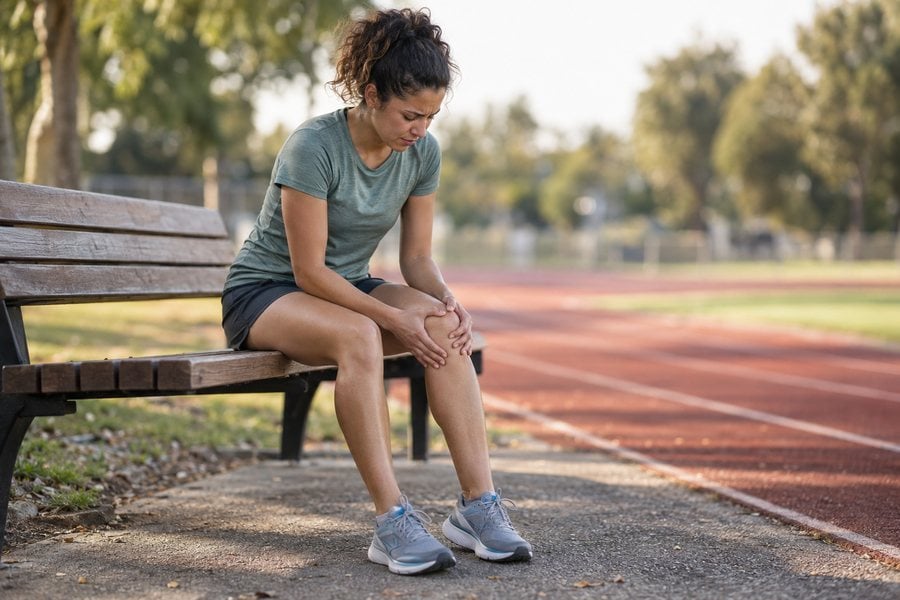
Sports injury is a broad term, because an athlete can injure almost anything, and the same diagnosis means different things depending on the sport. I am Dr. Brian Donovan, and when an athlete comes into Nuro Chiropractic in Brooklyn I am not only asking where it hurts.
I want to know what happened, which tissue is likely involved, and what this athlete needs their body capable of doing again. Those three answers shape everything that follows.
Sudden Injuries and Slow Ones
Some arrive with a clear moment. I planted and twisted my knee. I felt something pull while sprinting. I rolled my ankle. My shoulder started hurting after a throw.
Others build from repetitive loading. A runner developing Achilles or knee pain. A tennis or pickleball player developing elbow pain. A weightlifter with shoulder or lower-back symptoms. A baseball player noticing things get gradually worse without one specific injury.
- Was there contact or a fall
- Did you twist or change direction
- Was there a pop
- Immediate swelling or bruising
- Any sense of instability
- Could you keep playing
How I Evaluate Athletes at Our Brooklyn Office
- 1 Start with mechanism for an acute injury, or with training volume, intensity, recent changes, and recovery for an overuse problem.
- 2 Examine the injured area: range of motion, strength, joint stability, the relevant muscles and tendons, and appropriate orthopedic testing.
- 3 Watch you move. A squat, lunge, single-leg stance, step-down, running mechanics, or a shoulder task relevant to your sport.
- 4 Assess the system that loads the painful structure. A runner with knee pain often needs the hip and ankle checked. An overhead athlete needs the thoracic spine and shoulder blade mechanics looked at too.
Imaging is not needed for every sports injury. Digital X-ray helps when I suspect a fracture or bony injury. MRI or diagnostic ultrasound is more useful when the examination raises concern about a ligament, tendon, cartilage, or labral injury.
Treatment by Tissue, Severity, and Stage
- Relatively mild mechanical injury: mobility and stretching, massage and soft-tissue techniques, IASTM, appropriately selected chiropractic care, and progressive therapeutic exercise.
- Chronic tendon problems such as Achilles or patellar tendinopathy, tennis or golfer’s elbow, plantar fasciitis, or selected shoulder tendon conditions: SoftWave therapy when clinically appropriate.
- Class IV laser, PEMF, cryotherapy, and spinal or extremity decompression when there is a specific reason to use them.
Eventually the athlete has to load the injured tissue again. If a runner wants to run, that leg has to tolerate running forces. If a basketball player hurt a knee or ankle, they need to tolerate jumping, landing, accelerating, decelerating, and changing direction. Moving a shoulder comfortably in my office does not mean a lifter is ready to put weight over their head.
Pain Free Is Not Game Ready
“An athlete may feel dramatically better before the injured tissue has regained the strength or capacity necessary for their sport. Returning too quickly can increase the chance of aggravating or reinjuring the area.”
Dr. Brian Donovan, D.C.That is why return-to-sport decisions should rest on more than pain. I want to see range of motion, strength, control, functional movement, confidence, and your ability to progressively tolerate what you will meet when you go back.
When an Athlete Needs Medical Evaluation
Suspected concussion, particularly with loss of consciousness, repeated vomiting, worsening headache, confusion, seizure, significant balance problems, or unusual behavior, needs medical evaluation. No athlete should return to play because they feel okay.
Significant trauma with obvious deformity, inability to bear weight, substantial swelling, suspected fracture or dislocation, or a truly locked joint needs orthopedic evaluation. A knee injury with rapid swelling and instability, or a mechanism suggesting an ACL injury, gets investigated rather than treated conservatively on hope.
A sudden pop followed by significant weakness, such as being unable to push off through the foot or raise the arm, makes me concerned about a tendon rupture that needs imaging and an orthopedic opinion. The goal is not keeping every athlete in my office. It is getting them the right care and safely back to their sport.
Sports Injury FAQs
How do I know when it is safe to return to my sport?
Not by pain alone, which is the mistake I see most. I want range of motion, strength, control, and functional movement to hold up under the demands your sport will place on them, and I want you confident in the limb. Feeling fine walking around is a much lower bar than sprinting or landing.
Can I train around an injury instead of stopping?
Very often, and it usually beats shutting down completely. We modify what loads the injured tissue while keeping the rest of your training going, which protects fitness and makes the return shorter. Some injuries do need genuine rest first, and the examination tells me which ones.
Why does my knee hurt if I only changed my running mileage?
Changing mileage is often the whole story. Overuse injuries usually trace back to a change in volume, intensity, surface, or recovery rather than to anything being structurally wrong. That is good news, because it means the fix involves your training as much as your treatment.
I heard a pop. Does that mean something tore?
Not necessarily, but a pop followed by rapid swelling, instability, or a sudden loss of strength is worth investigating quickly. Being unable to push off through the foot or raise the arm after a pop is the pattern that concerns me most. Those cases get imaging and an orthopedic opinion rather than a treatment plan.
Do you work with other providers on an athlete’s care?
Regularly. Depending on the diagnosis that may mean an orthopedist, a sports-medicine physician, a neurologist, or a physical therapist. Significant weakness, persistent numbness, major instability, or an injury not responding as expected are all reasons I bring someone else in rather than pressing on alone.
Out of Pain Is Only the First Step
What was injured, why it happened, what your sport demands from that tissue, and what has to be restored before you can safely return. Answer those and the plan writes itself. The real goal is strong, confident, and capable enough to perform again.
Nuro Chiropractic, 9408 4th Ave, Brooklyn, NY 11209. Serving Bay Ridge, Staten Island, Bensonhurst, Park Slope, Prospect Park, Borough Park, Manhattan, Dyker Heights, Williamsburg, and the greater Brooklyn area.