

Plantar Fasciitis Brooklyn, NY
- Heel & Arch Pain Relief
- SoftWave Tissue Repair
- No Injections or Surgery
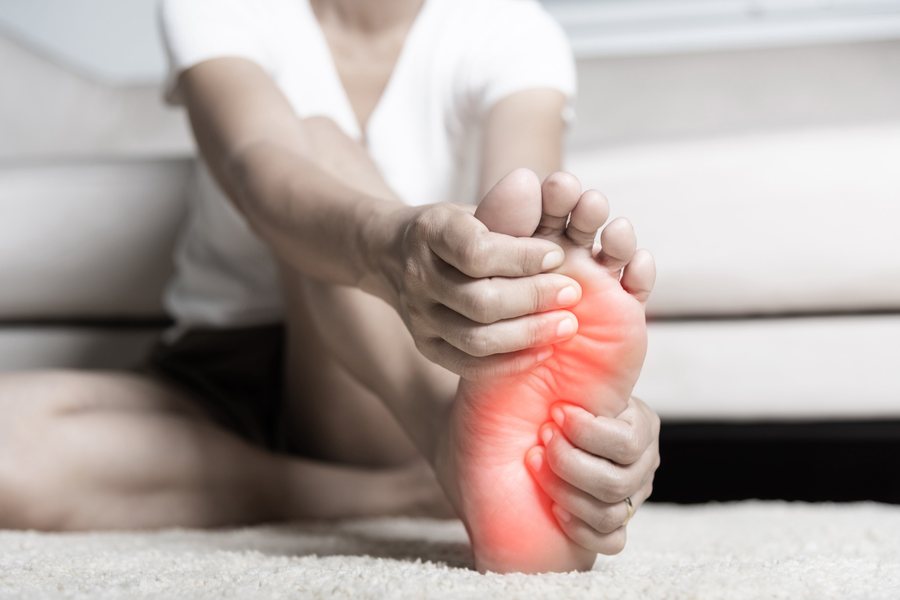
Plantar fasciitis is a diagnosis people are usually handed based almost entirely on where they hurt. Someone points at the bottom of their heel and says the words. I am Dr. Brian Donovan, and at Nuro Chiropractic in Brooklyn they are often right, but not every case of heel pain is plantar fasciitis.
So I do not start with how do we treat plantar fasciitis. I start with three questions. Is this actually plantar fasciitis. Why is this tissue being overloaded. And what does this particular patient need to make it more resilient.
The Classic Presentation
Pain underneath the heel, often toward the inside where the plantar fascia attaches to the heel bone. The detail patients volunteer most often is the morning one.
- First steps out of bed are the worst
- Loosens up once you get moving
- Returns after prolonged standing
- Painful after walking or running
- Sharp or stabbing under the heel
- Aching or a pulling sensation
Heel pain also has other causes, including a calcaneal stress injury, nerve entrapment, heel-pad problems, and inflammatory conditions. If the symptoms include burning, numbness or tingling, I am thinking about nerve irritation rather than fascia. The location gives me a starting point, not the whole diagnosis.
How I Evaluate Heel Pain at Our Brooklyn Office
- 1 Establish exactly where the symptoms sit, how they started, how long they have been present, and what makes them worse.
- 2 Ask what changed. Running volume, exercise, footwear, work demands, or general activity, because something usually did.
- 3 Examine the foot and ankle, palpate the fascia and its attachment, and assess ankle and foot mobility, calf flexibility, strength, and how much load the foot tolerates.
- 4 Look farther up the chain when relevant. Limited ankle mobility, weakness, and gait mechanics all change how much stress lands on the fascia, so the knee and hip sometimes matter.
Imaging is not needed for every straightforward case. Digital X-ray is here when the history or examination raises concern about a fracture or a bony abnormality, and more persistent presentations may need further imaging or referral.
Treatment Depends on Severity and How Long It Has Run
- Newer or milder cases: activity modification, stretching and mobility work, soft-tissue treatment, and progressive strengthening of the foot, ankle, and calf.
- Chronic or stubborn cases, especially after stretching, new shoes, and rest have already been tried: SoftWave therapy. Acoustic-wave therapies have some of their strongest musculoskeletal evidence in chronic plantar heel pain.
- Manual therapy, IASTM, Class IV laser, footwear changes, and temporary taping or orthotic support when there is a specific reason.
Reducing load does not mean shutting down your life. It means finding the level of activity that lets the tissue recover while we gradually rebuild what it can handle. SoftWave may create a better biological environment for that, and progressive loading is what actually builds a foot that tolerates the demands you put on it.
When Heel Pain Needs Further Evaluation
Significant trauma, inability to bear weight, substantial swelling or bruising, or suspicion of a fracture or stress fracture needs to be investigated properly. So does severe unexplained pain, significant neurological symptoms, or signs of infection such as redness, warmth, and fever.
There is one more situation worth naming. If a presumed case of plantar fasciitis is not responding the way I would expect, I reconsider the diagnosis rather than endlessly treating the same spot.
“If treatment is not working, the answer is not always more treatment. Sometimes the diagnosis needs to be reconsidered.”
Dr. Brian Donovan, D.C.Plantar Fasciitis FAQs
Why is it worst first thing in the morning?
Those first steps load tissue that has been still for hours, and that pattern is one of the more recognizable features of plantar fascia pain. It typically eases as you move and returns later in the day once you have been on your feet. When someone’s heel pain does not follow that rhythm at all, I start considering other causes.
Will new shoes or orthotics fix it?
They can help, and for some patients temporary support makes daily life much more manageable while we work on the actual problem. On their own they rarely finish the job, because footwear changes what the tissue is exposed to without changing what it can tolerate. That second part comes from loading.
Is a heel spur causing my pain?
Often not. Heel spurs turn up on imaging in people with no heel pain whatsoever, which makes them a poor explanation on their own. I treat what the examination points to rather than the most alarming word on a report, the same way I approach findings anywhere else in the body.
How does SoftWave help chronic heel pain?
It delivers acoustic energy into the involved area to stimulate biological responses associated with pain modulation and tissue repair. Chronic plantar heel pain is where this class of therapy has some of its best evidence. I still pair it with rehabilitation, because a calmer tissue that remains weak tends to flare again.
Can I keep running while it settles?
Frequently yes, at a reduced volume. Someone with three weeks of heel pain after doubling their mileage needs a different plan from someone with two years of it who has already failed several approaches. Chronicity and your response to treatment decide that, not a blanket rule about running.
Get Back on Your Feet Without Thinking About Them
The goal is not simply a less tender heel. It is walking, standing, working, running, or playing your sport without your foot occupying part of your attention all day. That starts with confirming the diagnosis and working out why the tissue was overloaded in the first place.
Nuro Chiropractic, 9408 4th Ave, Brooklyn, NY 11209. Serving Bay Ridge, Staten Island, Bensonhurst, Park Slope, Prospect Park, Borough Park, Manhattan, Dyker Heights, Williamsburg, and the greater Brooklyn area.